
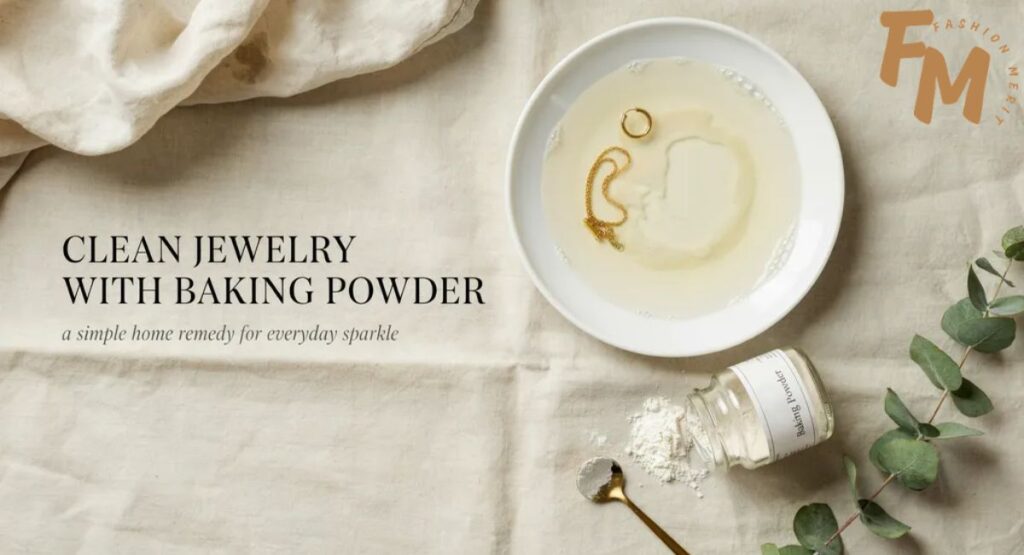
If your favorite silver pieces have lost their sparkle, learning how to clean jewelry with baking powder can save both time and money. This simple household ingredient helps remove dirt, oxidation, and light tarnish without expensive products. Many people use it as a homemade jewelry cleaner because it is easy to find and simple to use.
When combined with proper jewelry cleaning at home techniques, baking powder can help restore the shine of sterling silver jewelry. Whether you are dealing with tarnished silver jewelry and copper bracelets or looking for safe ways to maintain your collection, this guide will show practical methods for restoring silver shine and keeping your jewelry looking beautiful.
- Why Sterling Silver Jewelry Tarnishes Over Time
- Signs Your Sterling Silver Jewelry Needs Cleaning
- How to Clean Sterling Silver Jewelry at Home Safely
- Best Methods to Clean Sterling Silver Jewelry at Home
- Comparison Table: Best Ways to Clean Sterling Silver Jewelry
- How to Clean Sterling Silver Rings, Necklaces, Earrings, and Bracelets
- Common Mistakes to Avoid When Cleaning Sterling Silver Jewelry
- How to Prevent Sterling Silver Jewelry from Tarnishing
- Sterling Silver Jewelry Care and Maintenance Tips
- Sterling Silver Cleaning Methods Comparison Table
- Final Thoughts
- FAQS
Why Sterling Silver Jewelry Tarnishes Over Time
Silver may look timeless, yet it constantly reacts with its surroundings. This reaction causes silver jewelry tarnishing, which appears as dark or yellow discoloration on the surface. Many people wonder why silver jewelry turns black even when they wear it regularly. The answer lies in sulfur compounds found in the air, cosmetics, lotions, and even sweat.
Daily exposure speeds up this natural process. Humidity, perfumes, cleaning products, and household chemicals can make tarnished silver jewelry appear much sooner. Although tarnish affects appearance, it usually does not damage the metal itself. Understanding the cause helps you choose the right silver jewelry care strategy before the discoloration becomes severe.
What Causes Sterling Silver to Tarnish?
Sterling silver contains a small amount of copper. When copper reacts with sulfur in the environment, a dark coating forms on the jewelry surface. This chemical reaction explains why silver gradually loses its shine.
How Air, Moisture, and Chemicals Affect Silver Jewelry
Moisture accelerates oxidation. Perfumes, hairsprays, and household cleaners can also speed up tarnishing. As a result, jewelry stored in humid places often requires cleaning more frequently.
Signs Your Sterling Silver Jewelry Needs Cleaning
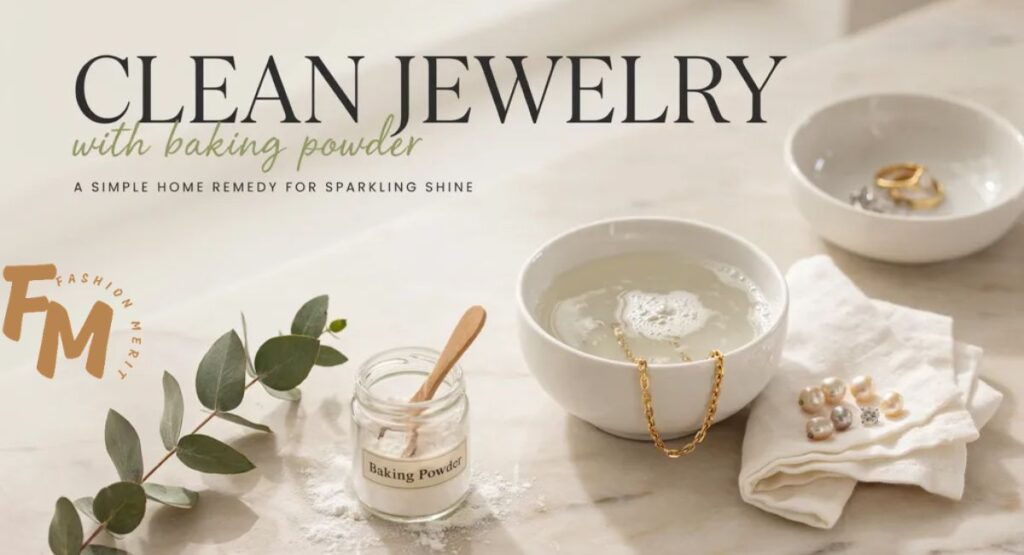
One of the earliest signs of tarnish is a dull appearance. Jewelry that once reflected light brilliantly may begin looking flat or gray. Small dark patches can also appear around detailed engravings and hard-to-reach areas. These changes indicate it is time for jewelry cleaning at home before the tarnish spreads further.
Another warning sign is uneven coloration. When silver develops black spots or yellowish tones, immediate cleaning helps preserve its appearance. Many jewelry owners delay maintenance until the damage becomes obvious. However, regular inspections make keeping silver jewelry shiny much easier over the long term.
Visible Tarnish and Discoloration
Dark stains, black marks, and yellow patches signal oxidation. These areas often develop first in grooves and decorative details where air exposure is highest.
When Cleaning Should Be Done Immediately
If tarnish begins spreading across the entire piece, clean it promptly. Early treatment simplifies the process and improves results significantly.
How to Clean Sterling Silver Jewelry at Home Safely
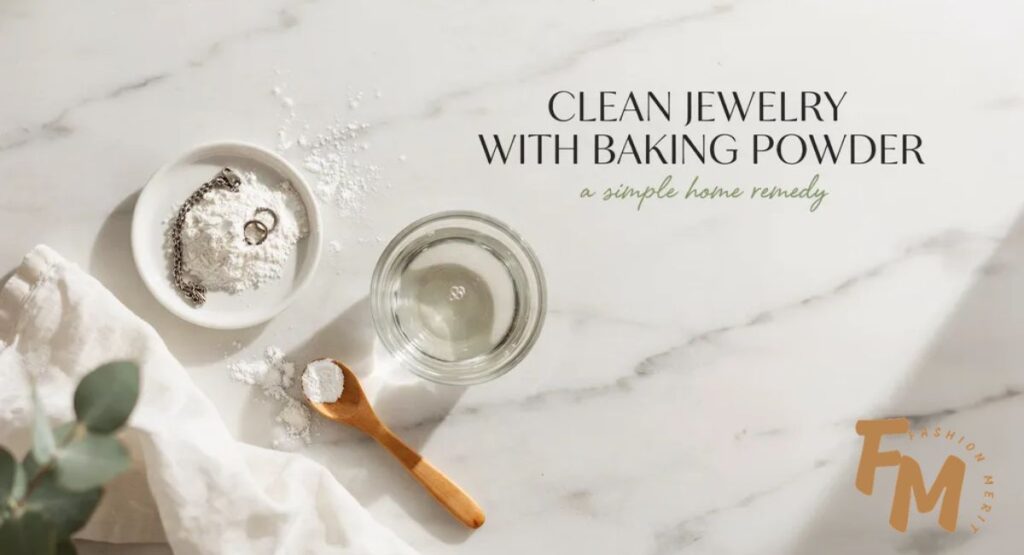
Before you clean jewelry with baking powder, gather the right materials and understand basic safety precautions. Although baking powder is gentle compared to harsh chemicals, some jewelry pieces require extra care. Delicate gemstones, antique jewelry, and plated items may react differently during cleaning. Following proper jewelry cleaning instructions protects valuable pieces from accidental damage.
Many homeowners prefer a homemade jewelry cleaner because it is affordable and readily available. However, using excessive force can scratch silver surfaces. Instead, apply gentle cleaning techniques and allow the cleaning solution to do most of the work. This approach supports safe silver cleaning methods while preserving the jewelry’s finish.
Can You Clean Jewelry with Baking Powder Safely?
Yes, baking powder can safely remove light tarnish from many sterling silver items. When mixed with warm water, it creates a mild cleaning paste that helps lift oxidation from the surface.
Supplies Needed Before Cleaning
You only need baking powder, warm water, a soft cloth, a bowl, and a soft-bristled toothbrush. These simple tools make cleaning both safe and effective.
Jewelry Types That Require Extra Care
Jewelry containing pearls, opals, turquoise, or glued gemstones may need special attention. Always check manufacturer recommendations before applying any cleaning solution.
Best Methods to Clean Sterling Silver Jewelry at Home
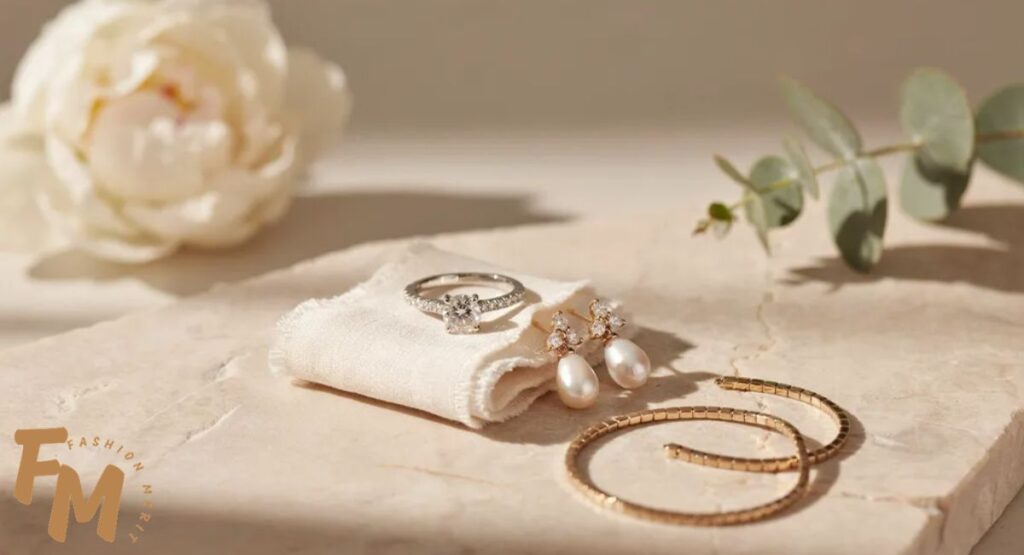
Several effective techniques can help you clean jewelry with baking powder. Each method works differently depending on the severity of the tarnish. Some approaches target light discoloration while others remove years of oxidation. Understanding multiple jewelry cleaning methods allows you to select the most suitable option for each piece.
Experienced jewelers often combine cleaning methods for better results. For example, a gentle wash may remove surface dirt before a deeper tarnish-removal treatment. Whether you choose baking soda for silver cleaning, a polishing cloth, or natural ingredients, consistency remains the key to successful silver jewelry maintenance guide practices.
Clean Jewelry with Baking Powder and Warm Water
Mix baking powder with warm water until a soft paste forms. Apply it gently using a soft cloth and rub in circular motions. This simple baking powder cleaning method works well for light tarnish and everyday maintenance.
Baking Powder and Aluminum Foil Cleaning Method
The aluminum foil silver cleaning method creates a chemical reaction that helps lift tarnish from silver. Line a bowl with aluminum foil, add hot water and baking powder, then soak the jewelry for several minutes. This technique is highly effective for restoring tarnished silver jewelry.
Baking Powder and White Vinegar Method
A vinegar and baking soda silver cleaner can tackle stubborn tarnish. Combine baking powder and white vinegar carefully, then allow the jewelry to soak briefly. This solution helps remove tarnish from silver while restoring brightness.
Mild Soap and Water Method
For routine cleaning, mild soap and water silver cleaning remains one of the safest options. It removes oils, dirt, and residue without exposing jewelry to strong reactions. Many experts recommend this method for regular upkeep.
Silver Polishing Cloth Method
A high-quality silver polishing cloth provides one of the easiest ways to maintain jewelry. Gentle polishing removes minor tarnish and enhances shine without requiring liquids or soaking.
Comparison Table: Best Ways to Clean Sterling Silver Jewelry
| Cleaning Method | Best For | Difficulty | Cost | Effectiveness |
| Baking Powder and Water | Light Tarnish | Easy | Low | High |
| Aluminum Foil Method | Heavy Tarnish | Easy | Low | Very High |
| Vinegar and Baking Powder | Stubborn Tarnish | Medium | Low | High |
| Soap and Water | Routine Cleaning | Easy | Very Low | Moderate |
| Polishing Cloth | Maintenance | Easy | Low | High |
“Regular cleaning prevents heavy tarnish and extends the life of sterling silver jewelry.”
A simple cleaning schedule often works better than aggressive treatments. Consistent jewelry maintenance helps preserve appearance while reducing the need for intensive restoration procedures.
How to Clean Sterling Silver Rings, Necklaces, Earrings, and Bracelets
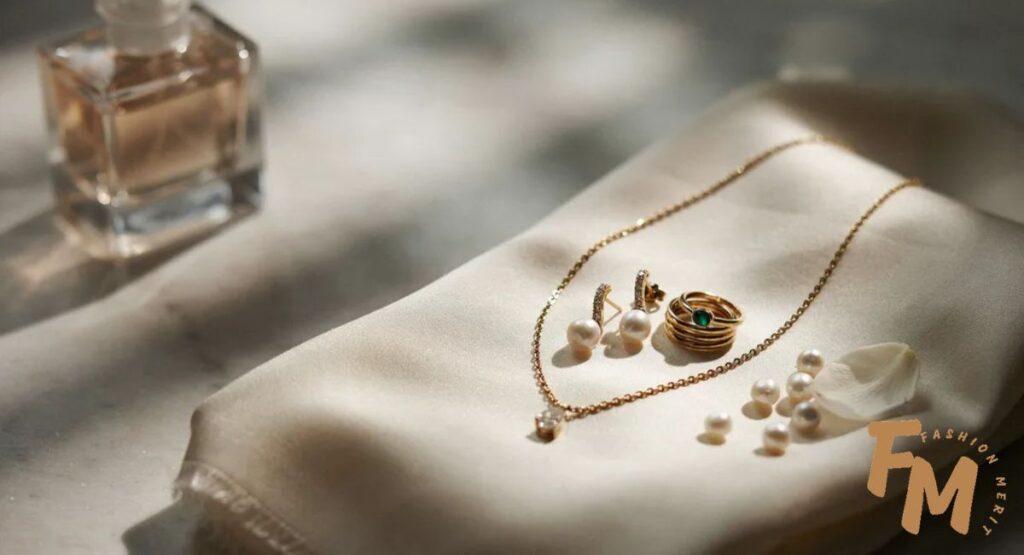
Different jewelry pieces collect dirt and tarnish in different ways. Rings often come into contact with lotions and soaps, while necklaces absorb oils from the skin. Understanding these differences helps you choose the right cleaning approach. If you regularly clean jewelry with baking powder, you can keep most sterling silver pieces looking bright and attractive.
Delicate details require extra attention during cleaning. Chains, clasps, and decorative patterns often trap dirt that ordinary wiping cannot remove. A gentle cleaning routine combined with proper silver jewelry care can improve appearance without causing unnecessary wear. This approach supports long-term jewelry maintenance and reduces future tarnish buildup.
Whether you are restoring an old necklace or maintaining a favorite ring, clean jewelry with baking powder techniques offer an effective solution. Combined with proper storage and regular inspections, this method helps keep silver jewelry looking attractive for years.
Cleaning Sterling Silver Rings
Rings collect oils and residue throughout the day. Soak them briefly in a mild cleaning mixture and gently brush intricate areas. This process helps maintain shine and supports restoring silver shine without damaging the metal.
Cleaning Silver Necklaces and Chains
Chains require patience because dirt often hides between links. A soft brush and warm cleaning solution can loosen buildup while preserving flexibility and appearance.
Cleaning Silver Earrings
Earrings should be cleaned carefully because they frequently contact skin products. Regular cleaning reduces buildup and keeps the metal looking fresh and polished.
Cleaning Silver Bracelets and Bangles
Bracelets experience constant movement and friction. Gentle polishing removes surface tarnish while maintaining the jewelry’s original finish.
Special Care for Gemstone Jewelry
Gemstones may react differently to cleaning solutions. Always test carefully and avoid soaking porous stones for extended periods.
Common Mistakes to Avoid When Cleaning Sterling Silver Jewelry
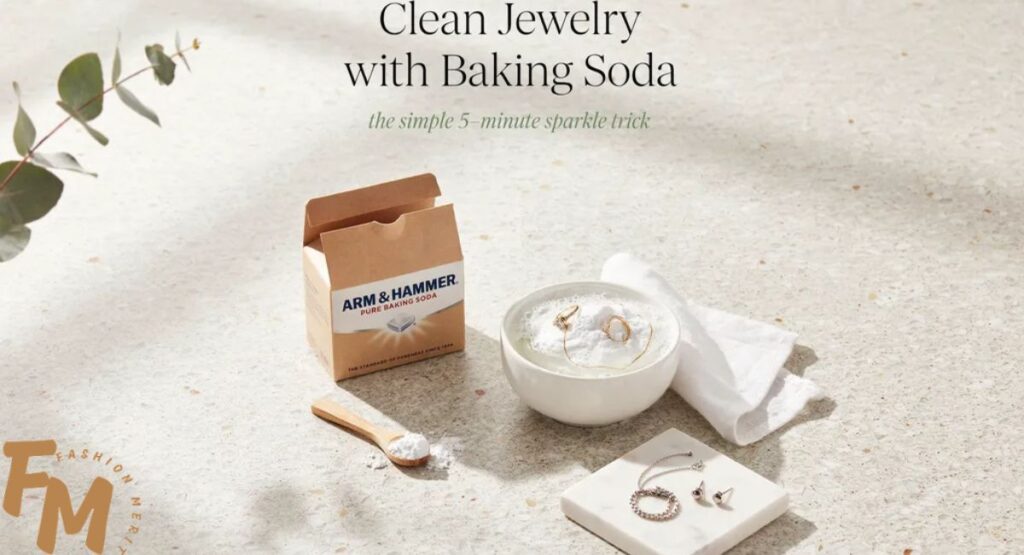
Many people unintentionally damage silver while trying to clean it. One common mistake involves using abrasive materials that scratch the surface. Although silver is durable, rough scrubbing can leave visible marks that reduce its beauty over time.
Another issue occurs when people experiment with strong chemicals. Excessive exposure to harsh cleaners may weaken finishes and damage decorative details. Following proven safe silver cleaning methods helps protect your investment while ensuring effective results.
Using Abrasive Cleaning Products
Rough pads and harsh powders may remove tarnish, yet they can also scratch the metal. Soft materials work much better for silver care.
Scrubbing Silver Too Hard
A common mistake when trying to clean jewelry with baking powder is scrubbing too aggressively. Aggressive scrubbing often creates micro-scratches that dull the finish. Gentle pressure delivers safer and more consistent results.
Using Toothpaste on Sterling Silver
Many older cleaning guides recommend toothpaste. However, toothpaste can be abrasive and may damage delicate silver surfaces.
Mixing Harsh Chemicals
Combining household chemicals creates unnecessary risks. Simple cleaning solutions usually provide better and safer results.
Skipping Proper Drying After Cleaning
Moisture encourages future tarnish. Always dry jewelry completely before storage to maintain its appearance.
How to Prevent Sterling Silver Jewelry from Tarnishing
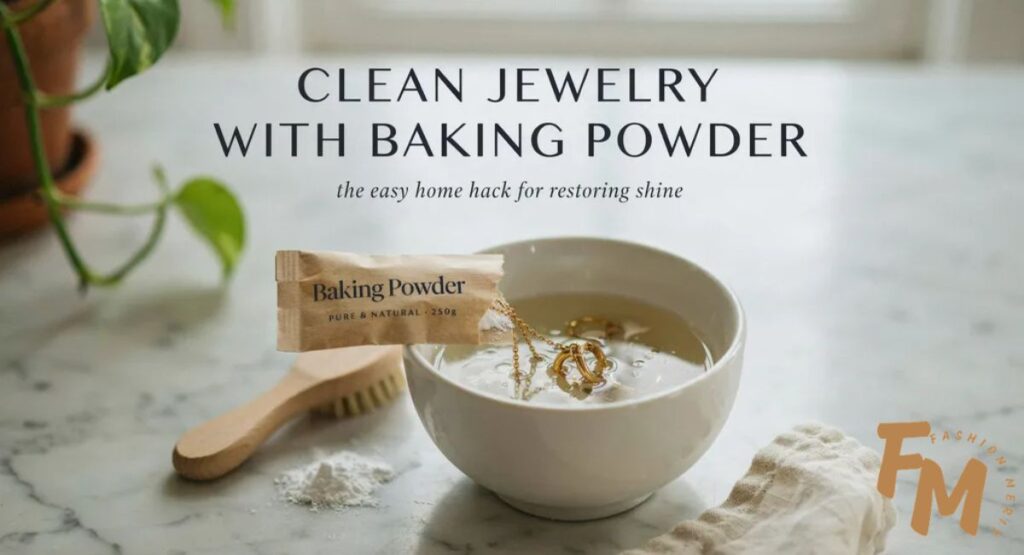
Preventing tarnish is often easier than removing it. Proper storage, careful handling, and routine cleaning significantly reduce oxidation. If you want to prevent silver from tarnishing, focus on limiting exposure to moisture, chemicals, and polluted air.
Experts recommend that people clean jewelry with baking powder periodically rather than waiting until tarnish becomes obvious. Small cleaning sessions are usually easier and safer than trying to restore heavily tarnished pieces.
Storage plays a crucial role in long-term protection. Many experts recommend anti-tarnish storage products because they help absorb harmful compounds before they react with silver. Combined with regular maintenance, these solutions can keep jewelry attractive for years.
Proper Jewelry Storage Techniques
Store silver jewelry in soft pouches or airtight containers. Limiting air exposure slows the tarnishing process and preserves shine.
Anti-Tarnish Bags and Strips
Specialized storage products absorb sulfur compounds before they react with silver. They provide an easy way to protect valuable pieces.
Keeping Silver Away from Moisture
Bathrooms and humid environments accelerate oxidation. Choose a dry storage location whenever possible.
Daily Habits That Protect Silver Jewelry
Remove jewelry before swimming, showering, or using cleaning products. These simple habits help maintain appearance and support keeping silver jewelry shiny.
Sterling Silver Jewelry Care and Maintenance Tips
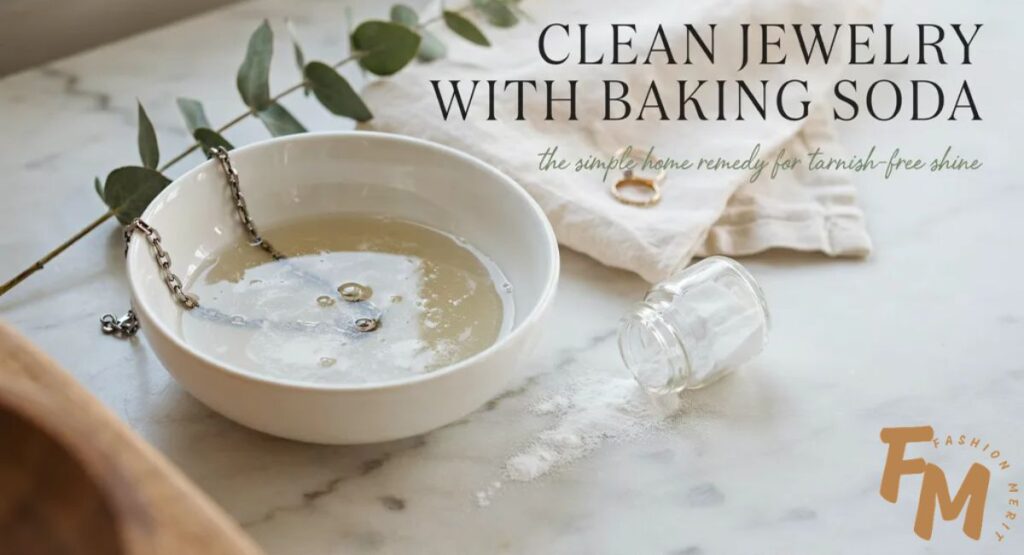
Learning to clean jewelry with baking powder can save money on routine maintenance. While professional services remain useful for valuable heirlooms, many sterling silver pieces respond well to simple home cleaning methods.
Many jewelry enthusiasts schedule monthly inspections to check for early signs of tarnish. This habit supports effective silver jewelry maintenance guide practices while reducing long-term wear. Routine cleaning also makes cleaning silver without chemicals easier because heavy buildup never has time to develop.
How Often Should You Clean Jewelry with Baking Powder?
Light cleaning every few weeks is usually sufficient for frequently worn jewelry. Heavily used pieces may require more frequent attention.
Daily Jewelry Care Routine
Wipe jewelry gently after wearing it. This simple habit removes oils and reduces tarnish-causing residue.
Long-Term Maintenance for Sterling Silver
Store jewelry properly and inspect it regularly. Consistent care helps preserve beauty and structural integrity.
Best Products for Silver Jewelry Care
A quality silver polishing cloth, gentle cleaning solution, and protective storage products provide excellent long-term results..
Sterling Silver Cleaning Methods Comparison Table
| Cleaning Method | Best For | Cost | Difficulty | Effectiveness |
| Baking Powder and Water | Light Tarnish | Low | Easy | High |
| Aluminum Foil Method | Heavy Tarnish | Low | Easy | Very High |
| Vinegar and Baking Powder | Stubborn Tarnish | Low | Medium | High |
| Mild Soap and Water | Routine Cleaning | Very Low | Easy | Moderate |
| Silver Polishing Cloth | Quick Maintenance | Low | Easy | High |
| Professional Cleaning | Valuable Jewelry | Medium | Easy | Excellent |
Final Thoughts
Cleaning silver doesn’t have to be expensive or complicated. When you clean jewelry with baking powder, you use a simple method that helps remove tarnish and restore brilliance without harsh chemicals. Regular care, proper storage, and gentle cleaning can keep your favorite pieces looking beautiful for years.
Whether you are dealing with tarnished silver jewelry or performing routine jewelry cleaning at home, consistency is the key to success. Combining a quality silver polishing cloth, proper anti-tarnish storage, and a regular jewelry care routine will help preserve shine and reduce future discoloration. With the right approach, maintaining sterling silver jewelry becomes easy, affordable, and highly effective.
FAQS
What is the fastest way to clean jewelry?
The fastest way to clean jewelry is to soak it in warm soapy water and gently polish it with a soft cloth.
Can I use baking powder instead of baking soda to clean?
Yes, baking powder can clean some jewelry, but baking soda is generally more effective for removing tarnish.
How to clean a Tiffany necklace?
Clean a Tiffany necklace with mild soap, warm water, and a soft cloth, then dry it thoroughly.
How do you clean James Avery jewelry?
Clean James Avery jewelry using warm water, mild dish soap, and a soft brush to remove dirt and buildup.
What makes jewelry shiny again?
Gentle polishing and proper cleaning remove tarnish and restore the jewelry’s natural shine.